Showing posts with label Trail. Show all posts

Thursday, September 1, 2016

Back to School? No! Back to the Backcountry (with 15% off)!


Back-to-school? No! Let's make the most of what's left of summer and head back to the back-country instead!

To celebrate the last days of summer, Rad Dog is offering 15% off your entire dog gear order at www.myraddog.com. That means 15% off all the items perfect for a fall frolic down the trail.

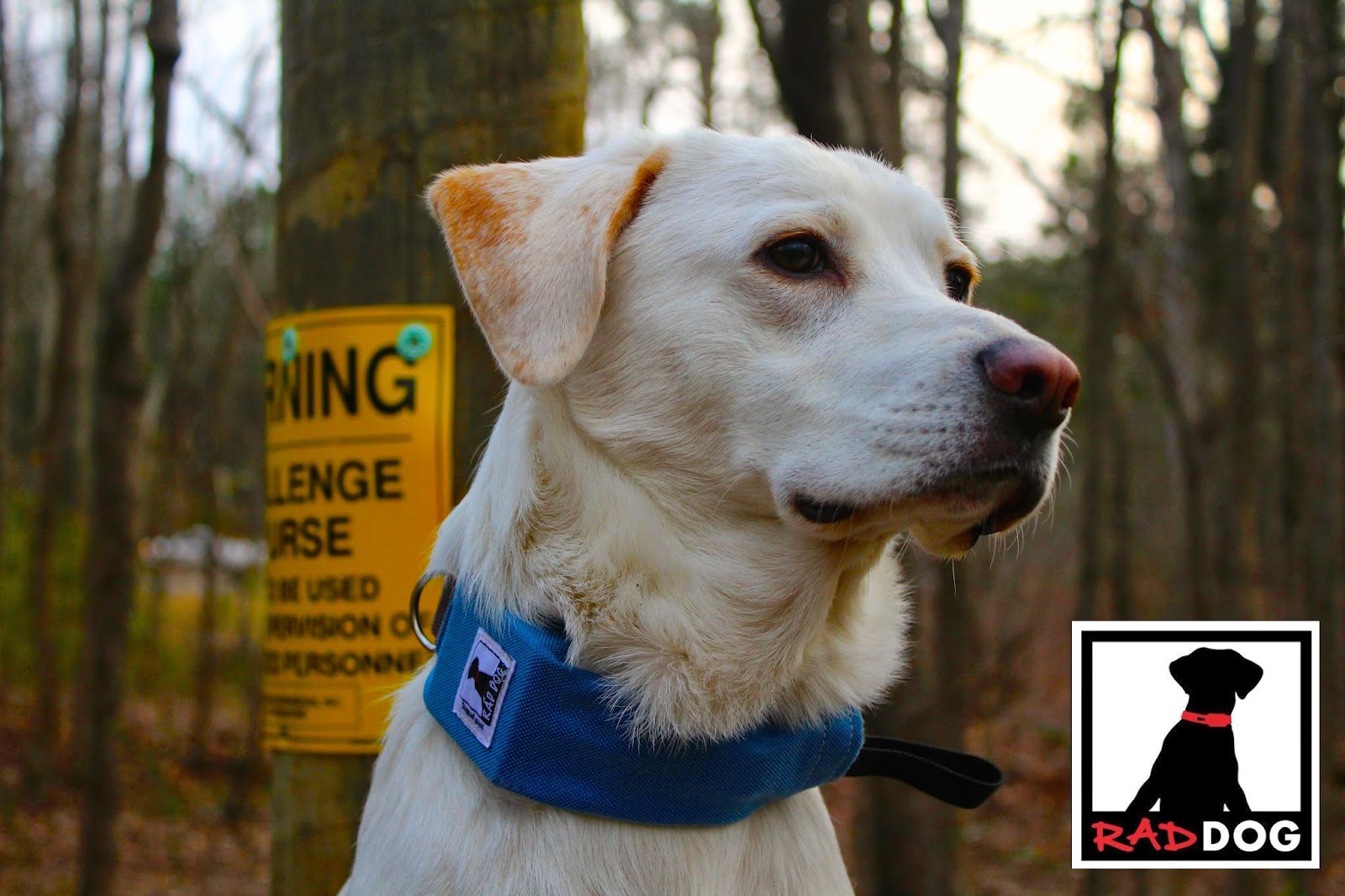
What might you be able to do with all that rad gear for your dog? Well, there's the Rad Dog essentials, like the revolutionary Release 'N Run dog leash/collar in one; the only collar on the market with patented, retractable leash stowed right into the base of a collar. Take you dog for a hike with tons of off-leash freedom, then grab the stowed away leash when critters, other dogs, or leash laws require a little restraint.

For your fall travels, there's the handy food caddy, our Feed Bag, that holds up to six pounds of food (for dogs with big appetites), and folds down to get smaller as your food starts to deplete. It's also perfect for bringing to the dog sitter or kennel for fall adventures where there are no pups allowed.

We have all the gear to get you back to the back-country this fall. Get it at 15% off now through Labor Day using promo code "laborday16". Happy Trails (and tails!) Rad Dogs!

Tuesday, September 16, 2014

Trail Safety Q&A: Dog Injury Prevention and Treatment

The Fall is the perfect time to get out and explore the local trails: the leaves are changing, the temperatures are cooler, and traffic on the trails is reduced.

But before heading out, remember that no matter what the time of year, injuries and hazards are lurking.

Because dogs lack common sense about these sorts of hazards (they are more curious about the rattling snake than they are scared of it!) it's important to know the most common types of trail injuries and how to treat and prevent them. 

Here are five common questions about dog injury prevention and treatment on the trail.


Can dogs overexert themselves? 

Yes!  Just like humans, dogs can certainly overexert themselves. This is especially true when the weather is hot, but overexertion can happen even when it's snowing outside! Because dogs don't sweat, they rely on their ability to "pant" as a way to cool down their systems. Evaporation from their panting mouths acts as a air condition for dogs, so it is incredible important to keep them hydrated and tend to the first signs of overexertion. 

How do I know if my dog is tired?

There are signs for overexertion and/or heat stroke:

1. Extreme panting
2. Body temperature over 104
3. Dark or bright red gums and tongue
4. Clumsy stupor
5. Diarrhea or vomiting
6. Seizures
7. Change in behavior

What are some basic injury prevention techniques?

1. Keep them on the trail. Just like humans, dogs can encounter potential hazards off-trail such as wildlife, rattlesnakes, burs, and uneven terrain.

2. Know their limits. Also like humans, dogs need to progressively work on endurance before tackling a major hike. Slowly work your dog's fitness and endurance up before pushing them on an extended adventure.

3. Be prepared. It's always a good idea to bring a few emergency items with you just in case such as water, a collapsible dog bowl, a leash, bandages, and an emergency guide.


What are the most common types of dog injuries?

There are a variety of injuries fairly common to dogs while hiking, backpacking, and trail running. Some of those injuries are due to the physical demand on the dog: ligament strains or tears, bruising, or exhaustion. Other common (and mostly preventable) injuries include lacerations, abrasions, worn paws, paw injuries, and torn nails.  The final type of trail injuries are those produced by outside hazards: snake bites, ticks, mosquitoes, and other wildlife encounters. Having your dog on voice command can help keep them on the trail and out of harm's way.

What do I do if my dog is injured on the trail?

Since there are so many different types of injuries and treatments, we recommend bringing along a pocket emergency guide for pets when on an outing with your pet. Other options include useful pet first aid apps for your phone like this one from the American Red Cross. 

Remember, part of your adventure is preparedness to keep you and your dog out of harm's way. By understanding the basics of injury prevention and first aid, you can ensure a much more worry-free adventure!

Saturday, April 12, 2014

Training Your Dog for the Trail: How to mountain bike with your dog

GIRL MOUNTAIN BIKING WITH DOGS ON TRAILWhat dogs were meant to do: bound through giant snow drifts, chase squirrels off-trail, and jump into mud with the enthusiasm of kindergartener at recess.

What dogs are generally not so good at: staying on-trail, staying on-course, and minding their own furry business. 

As much as we would love for our dogs to meander freely down congesting trails and paths, we all know that when a dog is off-leash, there's a good probability of rodent-hunting, tail-sniffing, and puddle diving.  So, we opt to keep them on-leash instead. 

If the requirement for your dog to be on-leash has you limiting your trail activities, don't fret!  With the right dog gear for the trail and a little practice, you can enjoy the trail with your dog any way you like it: on foot, on bike, on skis, and on snowshoes.

To help you along your adventure, consider these Rad Dog tips for taking your dog on the most difficult of canine trail adventures: mountain biking.

Tips for Training Your Trail Dog to Mountain Bike With You:

1. Train your pup early.  The saying, "can't teach an old dog new tricks" maybe incorrect, but there's some truth to the fact that dogs are easier to train initially than to retrain when they are older.  So, if you can, start leash training your dog at a young age. 
dog LEASH AND COLLAR IN ONE 2. Leash train using baby puppy steps. Leash training should start out slow and short while your puppy's bones are developing. Even with older dogs, there is a "break-in" period where your dog needs to get in shape before a long trail adventure. Start by walking, then move to a light jog, working your way up to a full run.

3. Switch to a short leash and bike. When your pup is ready, find a quiet place free of congestion to train your dog to run with your bike.  Using a short leash, run your dog alongside the gutter-side of your bike, about a foot away from your handlebars as you pedal along. Tug the leash anytime your dog drifts away from the bike, paying close attention as you approach other people, dogs, cars, and other distractions.

4. Get verbal.  As you train your canine to run alongside your bike, be sure to give them verbal cues as well as physical cues from pulling on the leash.  Words like "Haw!" "Go!" "Right!" "Easy!" and "Whoa!" all help communicate to your dog the correct response. This also helps form a pattern of behavior and command that is useful both on, and off-leash.

mountain biking with two dogs how to 5. Test drive on a wide, empty trail. After you have established a consistent pattern of behavior where the dog is able to accompany you alongside the bike in a predictable manner, you can give a wide trail a go.  Select a low-traffic, easy, and wide trail where the dog can run alongside you with few distractions.  After a lot of practice and consistency, your dog may be ready to run with you off-leash. A dog collar-and-leash-in-one, such as the Rad Dog Release 'N Run can offer you the flexibility of leash when you need it, without the added hassle.  When a leash is required, simply pull the handle on the collar of the dog, freeing the leash for use.  More utility, less gear!

6. Time to go singletrack. As you and your dog get more familiar with trail riding together, you will eventually want to teach them to run behind you so you can ride singletrack. This is done easier if your dog is on voice command because you can yell "heel" as the dog heads towards your back tire.  One of our sources suggests this approach to training your dog to run singletrack (though we have not personally tried this): "Attach a five-foot pole to the leash. Start with the dog alongside you. Say "Heel!" and move the pole back to position the dog behind your rear tire."

There are a variety of great resources out there from avid mountain bikers who take to the trail with their dog regularly.  For more information, check out this article by Utah Mountain Biking, "Training Your Trail Dog."

Saturday, February 15, 2014

Trail Tips and Winter Trail Etiquette for Dog Owners


One of the best benefits to winter activities with your dog is that most places have looser leash laws during the winter season, which means more unrestrained running, jumping, and snow dancing for your dog.

 If you are new taking your canine on these cold-weather adventures, there are few trail courtesies you should know about.  Whether you are snowshoeing, cross-country skiing, or just enjoying a cold-weather hike, keep in mind that the same courtesies exist on trails and outdoor spaces during the winter months, even if they are covered up with snow.

Winter Trail Etiquette and Tips for Dog Owners:

1. Leash Laws Don't Trump the Golden Rule. If even local leash laws do not require the use of a leash, if you have an excitable, boisterous, or space-invading dog, keep them on-leash when other trail-goers and dogs are present. A good rule of thumb is to leash up any dog not trained on voice command, no matter what time of year, or how empty the trails.  For dogs on voice command that like to wander off-leash on busy trails, consider a collar and leash in one, such as the Rad Dog Release N Run, which allows your dog to be "on leash" at a moment's notice, without forcing you to hold the leash when they are frolicking about.

2. "Leave No Trace" Goes Double for Dog Poop.  Have you ever seen a dog-friendly trail after the first snow melt?  It's not pretty! As tempting as it may be to kick the poo to the side of the trail or ignore the incident (rather than gallivanting through the snow in search of the stinky pile), leaving dog poop behind is just not cool. And Rad Dogs must be cool. So don't forget the dog poo bags...it's your doggy doodie duty!

3. Don't Leave Your Dog Behind. Dogs were meant to enjoy the trail with us, so don't leave them behind in the car.  They could be disruptive to others at the trail head or get too cold/hot in the car, so if you don't want them to come along for the hike, snowshoe, or ski, don't bring them at all.

4. Bring Lots of Water.  Even in the cold weather, dogs can become dehydrated, so make sure to bring plenty of water and keep your dog hydrated.  We recommend "traveling light" with the Rad Dog Pocket Dog Bowl.

5. Think Like a Dog. There are so many distractions on the trail--other dogs, small children, pedestrians, horses, and wildlife--it is important that you keep your dog in control at all times.  Even the best behaved dogs can act out of character if they encounter something new. Don't neglect bringing a leash just because the trail does not require one, and keep in mind that most trails require leashes be no longer than 6 feet long.

6. Know Your Dog's Limits. Just like humans, dogs need to build up stamina and endurance. Be sure you are aware of your dog's physical abilities before attempting a new trail. Check to make sure their paws, pads, and nails are in good shape before heading outdoors.

7. Be aware of How Your Dog's Presence Affects Others.  Did you know that a long leash can "close-line" a mountain biker? Or that a dog can spook a horse, causing injury to its rider?  As a responsible dog owner, it is important to understand the consequences of your decisions when handling your dog.  Stay alert, maintain control, and keep your dog on the trail and within your eye line at all times.